
PS2 Filter
Turn any photo into an early-2000s PS2 game character — low-poly 3D, blocky textures and that retro console look — while keeping your face recognizable.
PS2 Filter Generator
Drag & drop or click to upload
Supports PNG, JPG, WEBP • Max 20MB
Sign in to start generating
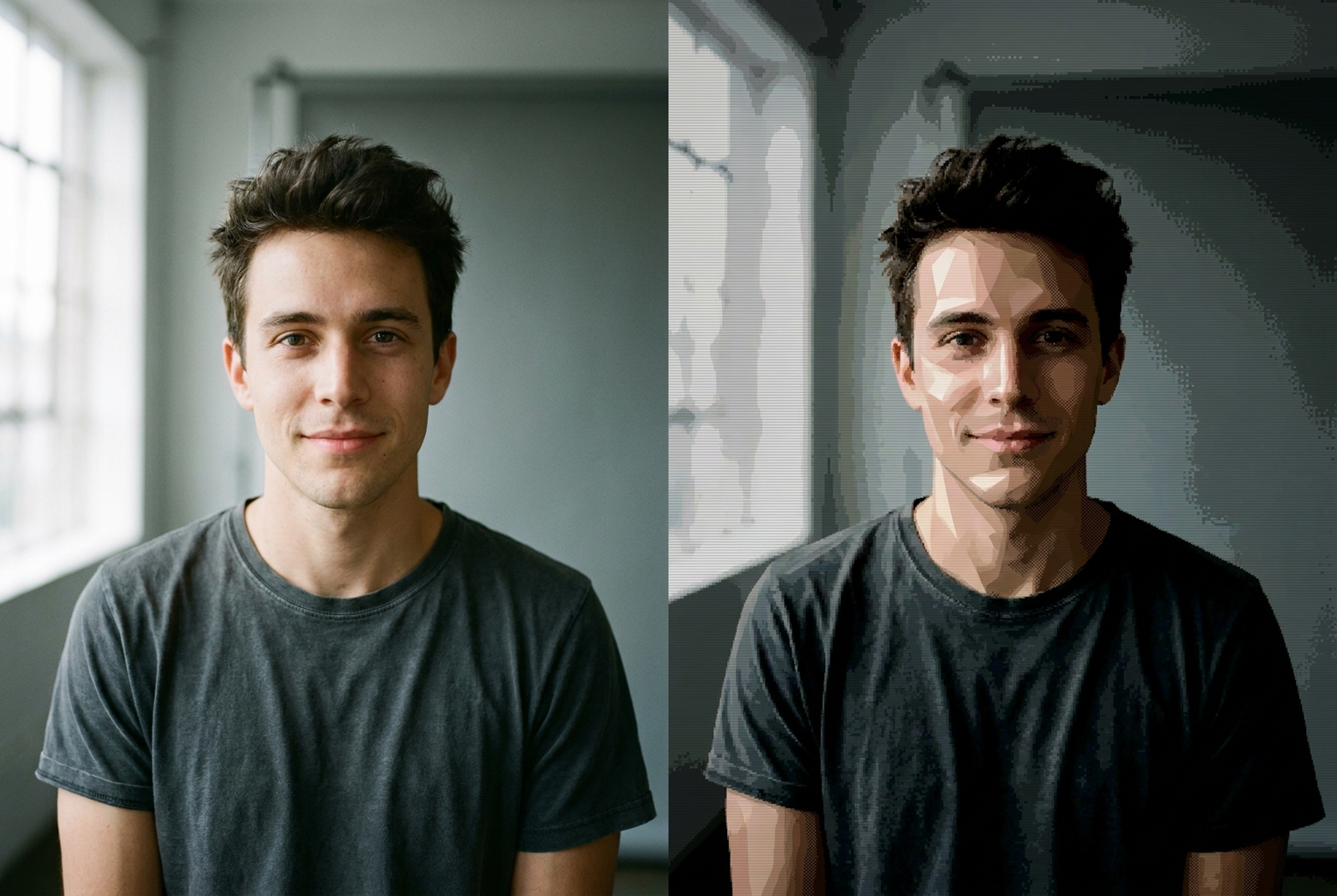
Selfie → PS2 game character
The same face rebuilt with blocky low-poly geometry and stretched early-2000s textures
AI-generated examples
1. Upload a Photo
Pick a clear, well-lit photo where your face is easy to see — a selfie, a portrait or a half-body shot all convert cleanly.
2. Apply the PS2 Filter
One tap rebuilds your photo as a low-poly early-2000s game character — blocky geometry, stretched textures and that console render sheen — while locking your face.
3. Download & Share
Get your retro game-character render in seconds and post it straight to your feed, stories or the group chat for the full nostalgia hit.
See the PS2 Filter in Action
Real before-and-after results — a modern photo on the left, the same face rebuilt as a low-poly early-2000s game character on the right.
Selfie → PS2 game character
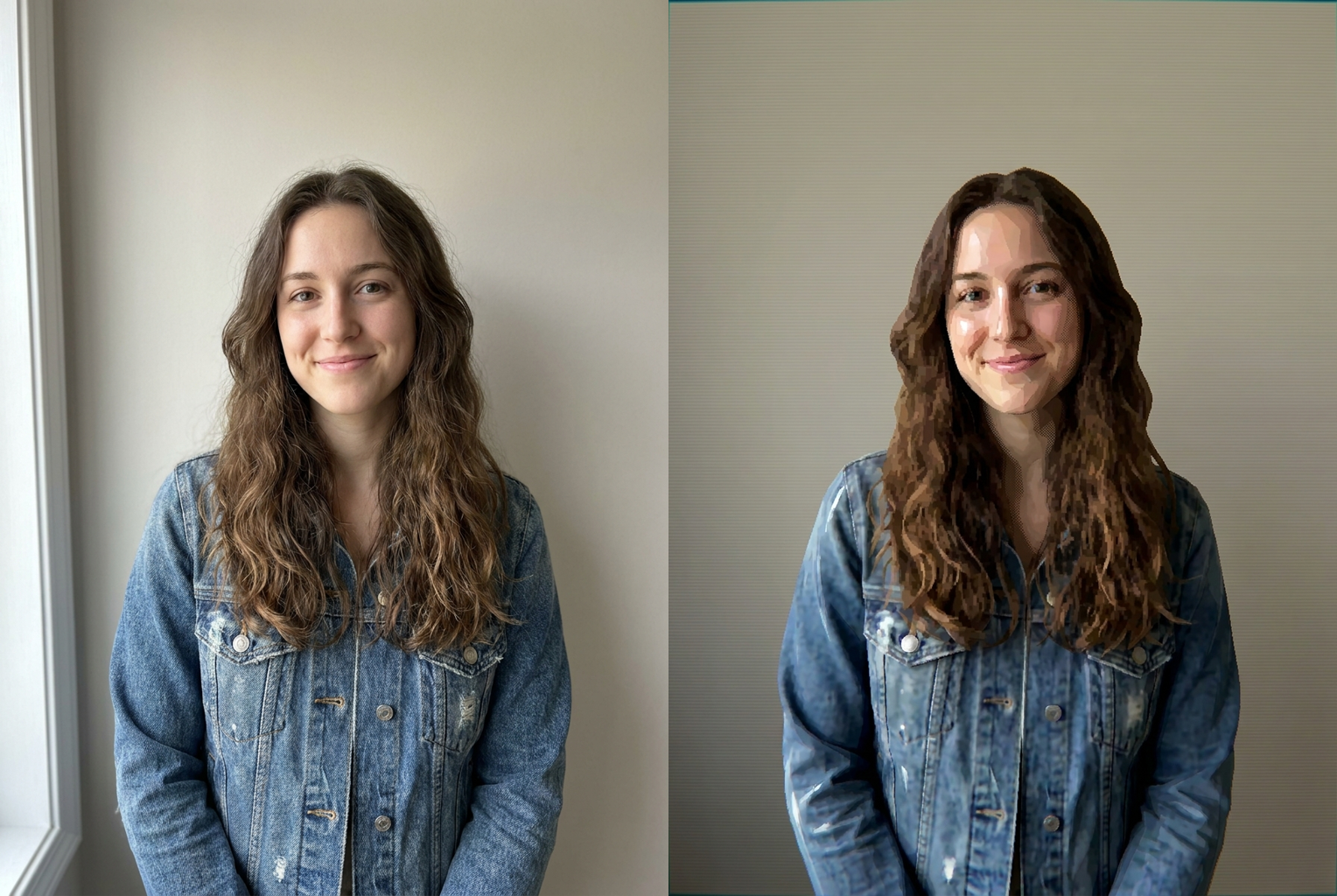
Portrait → in-game render
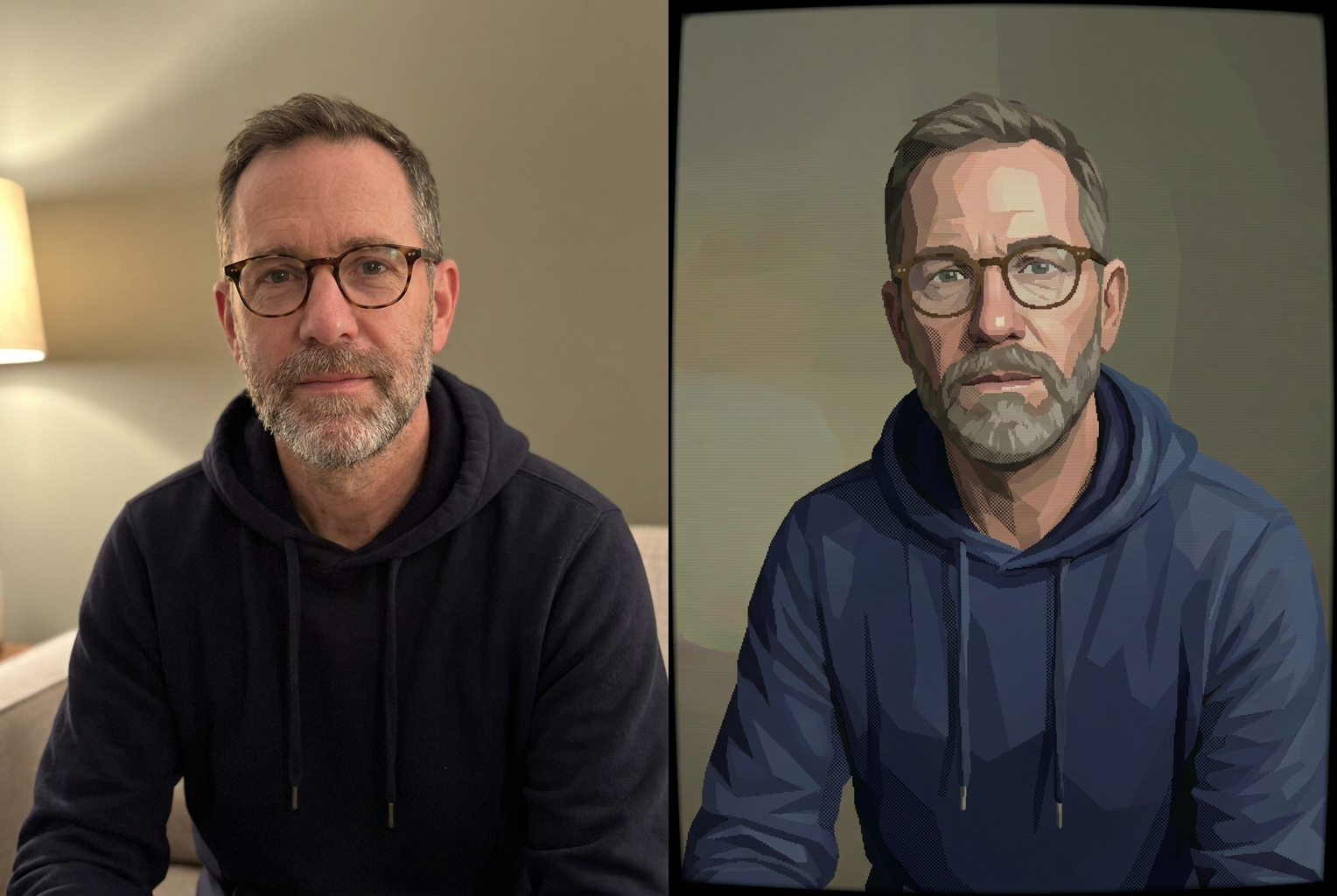
Photo → low-poly hero
Keeps Your Look
Identity preservation locks your facial features and hairstyle so the game character is unmistakably you — just rebuilt in low poly.
Authentic Low-Poly Render
Flat-shaded facets, blocky geometry and stretched low-res textures recreate exactly how characters looked on sixth-generation consoles.
Retro Console Grade
Muted colors, dithered shadows, aliased edges and a soft CRT scanline feel deliver that standard-definition early-2000s game look.
Results in Seconds
No 3D software and no editing skills — the whole PS2 makeover happens automatically in a single tap.
Works on Any Photo
Selfies, group shots, portraits and pet photos all convert into a believable in-game character render.
Free to Try
Generate your first PS2-style render at no cost and download a clean, high-resolution image with no watermark.
The AI PS2 Filter: Turn Any Photo Into an Early-2000s Game Character
The ps2 filter is an AI photo effect that takes any modern picture and rebuilds it as a low-poly 3D character straight out of an early-2000s video game. That era of consoles had a look you can recognize instantly — chunky geometry, stretched textures, hard jagged edges and a slightly plastic sheen under simple lighting. Instead of learning 3D software or hunting for a preset that only fakes the vibe, the ps2 filter reconstructs that entire aesthetic from a single upload, handing you a game-character render that feels genuinely of its era while still looking like you.
Under the hood, the ps2 filter runs on a modern image model that reads your photo, understands the person in it, and re-renders them in the visual language of sixth-generation game consoles. It reduces your form into a lower polygon count with visible flat-shaded facets, wraps you in low-resolution stretched textures, adds the hard aliased edges of real-time graphics, and lights you with the simple baked shadows and dithered gradients that hardware of the time could actually push. On top of that it layers a muted, slightly desaturated color palette and the soft scanline feel of a standard-definition TV. Because everything the ps2 filter does happens in one coherent pass, the result reads like an actual in-game render rather than a stack of mismatched overlays.
What makes this ps2 filter genuinely useful is identity preservation. The model is instructed to keep your facial structure, skin tone, hairstyle and expression recognizable while it rebuilds you in the low-poly style. Only the geometry, textures and lighting change — not who you are. That means the game character is unmistakably you, not a generic avatar that happens to share your haircut, which is the single biggest thing cheaper effects tend to get wrong. You get the full retro-console transformation without losing yourself inside it. The effect leans into the charm of the era's hardware limitations rather than hiding them, which is exactly why the finished render feels authentic instead of like a smooth, over-polished modern remake of the same idea.
Getting a great result is mostly about the photo you feed in. A clear, well-lit shot where your face is easy to read gives the AI the best chance to preserve your features while rebuilding you as a low-poly character. Front-facing selfies, clean portraits and half-body photos all convert beautifully. It helps to avoid heavy shadows, extreme angles, sunglasses or anything covering your face. Higher-resolution uploads give the ps2 filter more detail to work from, so a sharp phone photo will always beat a tiny compressed thumbnail. A relaxed, straight-on pose tends to read best, since it mirrors the character-select and cutscene framing the look is built around. If your first attempt feels too subtle or too strong, simply try a different source photo — brighter lighting and a cleaner background almost always sharpen the effect.
People reach for the ps2 filter for all kinds of reasons. It is perfect for throwback posts and nostalgia challenges, for turning yourself into the kind of hero you played as a kid, or for a playful before-and-after that shows a real face beside its blocky game twin. Creators use it to make trend content that instantly reads as early-2000s gaming, friend groups turn their whole squad into a fictional roster, and plenty of people just enjoy seeing what they would look like as a playable character. It also makes a great profile picture, a fun Discord avatar, or the first slide in a then-and-now carousel that racks up comments.
Compared with building a character by hand, the ps2 filter saves an enormous amount of work. Recreating this look manually would mean modeling low-poly geometry, painting stretched textures, baking simple lighting and grading the whole thing to a period-correct palette — hours of specialist 3D work that rarely comes together convincingly for a beginner. Ordinary photo filters could not touch it at all, because a flat overlay cannot invent the geometry a game render needs. This AI approach reads the actual person and rebuilds them dimensionally, so the facets sit correctly, the textures wrap around your features, and the whole image holds together like a real screenshot. In practice, the ps2 filter collapses what used to be an afternoon of 3D work into a single tap.
The workflow is deliberately simple. You upload a photo, tap once to apply the ps2 filter, and within a few seconds you have a finished, high-resolution render with no watermark. There are no sliders to balance and no presets to compare — the geometry, the textures, the lighting and the CRT grade are all handled automatically. From there you can download the result and post it straight to TikTok, Instagram, stories or a group chat. The framing leans into the character-select and cutscene look on purpose, so it drops neatly into a feed the way a real game screenshot would.
Getting started takes less than a minute. Pick your best-lit photo, upload it, and let the ps2 filter do the rest — your first render is free to try, and every generation keeps your real face intact. Whether you want a single nostalgic post, a matching roster with friends, or a scroll-stopping before-and-after, the ps2 filter turns the idea in your head into a shareable image in seconds. There is nothing to install, no 3D skills required, and no account hoops to jump through before you see a result — the tool is built so anyone can go from a plain photo to a believable early-2000s game character in one attempt. Upload a photo now and drop yourself into the console era.
PS2 Filter — Frequently Asked Questions
The PS2 filter is an AI photo effect that rebuilds any modern picture as an early-2000s low-poly 3D video game character. It recreates the blocky geometry, stretched low-resolution textures, aliased edges and plastic lighting that defined characters on sixth-generation consoles, then keeps your real face so the render still looks unmistakably like you — just pulled straight out of a 2003 game.
Yes. Identity preservation is built into every generation, so your facial structure, skin tone, hairstyle and expression stay recognizable in the final render. The AI only rebuilds you in the low-poly game style — reducing detail into flat facets and simple textures — rather than swapping you for a generic character, so the result still reads as you in game form.
A clear, well-lit photo where your face is easy to read gives the strongest result. Front-facing selfies, portraits and half-body shots all convert well. Avoid heavy shadows, extreme angles, sunglasses or anything covering your face, since the AI needs to read your features clearly to preserve them while rebuilding you as a low-poly game character.
You can try the PS2 filter for free and download your first render without paying. Each generation costs a single credit, and new accounts start with free credits so you can test the look before making more. Your downloaded image has no watermark, so it is ready to post anywhere the moment it finishes.
Yes. The PS2 filter works on group shots as well as solo selfies. Each visible face is rebuilt as its own low-poly character while the whole scene gets the same retro console grade. For the cleanest result, pick a photo where everyone's face is well-lit and clearly in frame rather than turned away or partly hidden behind someone else.
Most images finish in a few seconds. You upload a photo, tap once, and the fully rebuilt low-poly game character appears ready to download. There are no sliders, no presets and no 3D modeling steps — the AI handles the geometry, the textures, the lighting and the CRT grade in a single automatic pass.
Early-2000s console characters had a very specific look: low polygon counts with visible flat facets, stretched low-resolution textures, hard aliased edges, simple baked lighting with dithered shadows, and a slightly plastic specular sheen. Add a muted color palette and a soft standard-definition CRT feel and you get the signature aesthetic. The PS2 filter recreates all of these signals at once.
Absolutely. Your downloaded image is a clean, high-resolution file with no watermark, so you can post it to TikTok, Instagram, stories, Discord or a group chat. The retro game-character look is built for nostalgia and before-and-after content, which makes it perfect for throwback posts and reaction-bait carousels that people love to share.
Still have questions? Contact Support