5 Ways AI-Generated Videos Are Revolutionizing Robot Training
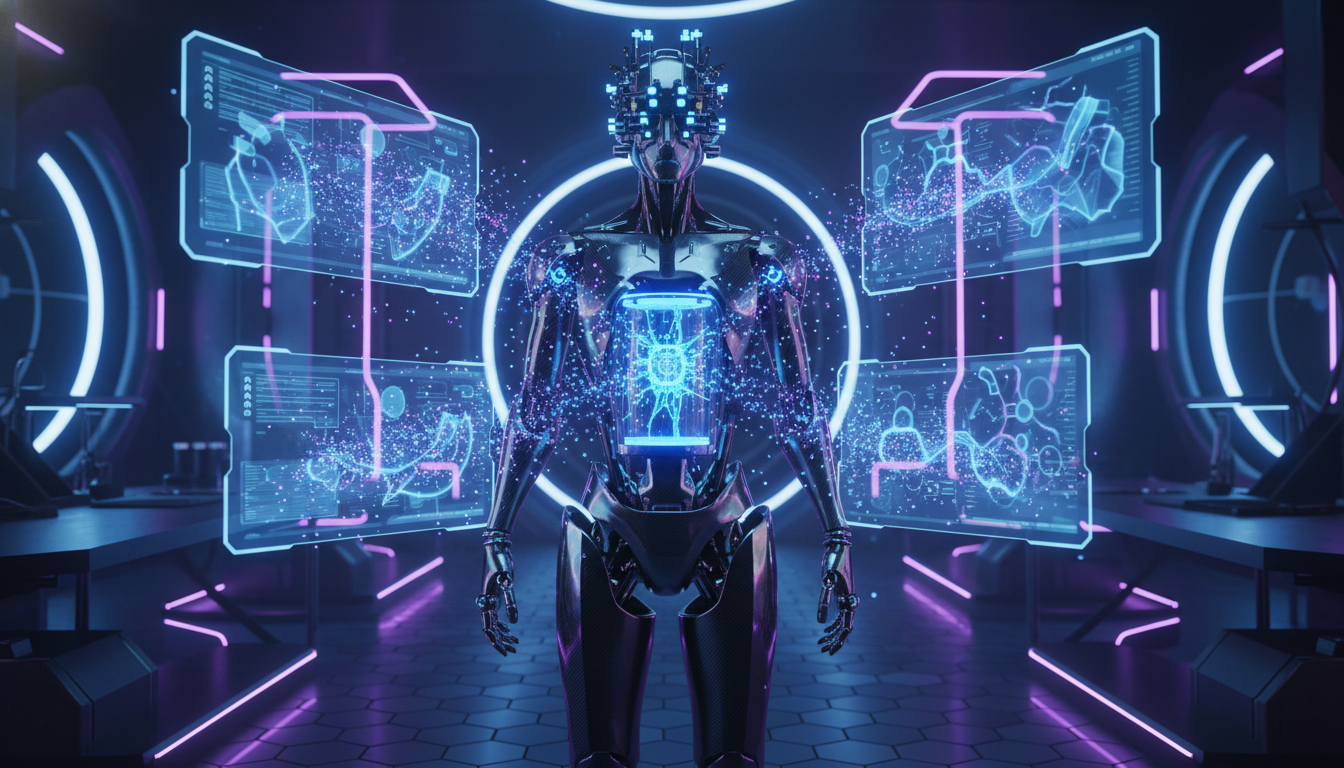
A breakthrough in robotics training uses video generation models like Sora and Kling as synthetic teachers, while deepfake detection struggles to keep pace and multi-model platforms reshape creator access.
Robots Are Training Themselves on AI-Generated Video — Here's Why Researchers Are Excited
Something quietly remarkable happened this week in the intersection of robotics and generative AI. Researchers demonstrated that robots can now learn how to manipulate physical objects simply by watching AI-generated videos. Not real footage. Not carefully staged demonstrations. Videos dreamed up by the same models creators use to make cinematic shorts.
The implications are staggering — and the AI video community is paying attention.
Video generation models like Sora, Kling, and Veo 3 are effectively becoming synthetic training grounds for robotics. Instead of painstakingly programming every possible scenario a robot might encounter, researchers can generate thousands of variations of a task — different angles, lighting conditions, object positions — and let the robot learn from that synthetic data.
This is a paradigm shift. It means the same text-to-video technology powering creative workflows is now accelerating physical AI development.
The Multi-Model Race Is Reshaping Creator Access
While robotics researchers push boundaries on one front, the creator economy is experiencing its own disruption. Platforms aggregating multiple AI video models into single interfaces are gaining serious traction, giving users access to Sora 2 Pro, Veo 3.1, Kling 2.6, and dozens more without juggling separate subscriptions.

The consolidation trend matters because it democratizes access. Previously, testing whether Kling 3.0 handled character consistency better than Sora 2 Pro for your specific use case meant maintaining multiple paid accounts. Now creators can experiment across 100+ models from a single dashboard.
This is particularly relevant as each model continues to develop distinct strengths. Kling excels at motion dynamics and dance sequences. Veo 3 leads in photorealistic scene generation with audio. Sora 2 Pro remains strong for cinematic narrative sequences. Having them all accessible in one place lets creators match the right tool to each shot.
The Deepfake Detection Problem Isn't Going Away
With great generative power comes a growing authenticity crisis. This week highlighted two separate cases where AI-generated video content was mistaken for — or deliberately presented as — real footage.
In one case, a viral clip was confirmed as AI-generated only after careful analysis revealed a VITA watermark indicating it had been processed through an AI video editor:
In another more concerning case, an AI-generated deepfake video circulating in Brazil was confirmed fake by fact-checkers — but not before significant spread:
These incidents underscore a tension at the heart of the AI video revolution. The same quality improvements that make Sora-generated content indistinguishable from real footage for creative purposes also make deepfake detection exponentially harder. Watermarking standards and detection tools are evolving, but they're consistently playing catch-up with generation quality.
Mark Cuban Weighs In on AI Video Strategy
Billionaire entrepreneur Mark Cuban offered an interesting perspective on how business leaders should approach AI video tools — not with fear, but with strategic experimentation:
Cuban's approach reflects a broader shift in how businesses view AI video generation. Rather than treating it as a novelty, forward-thinking companies are integrating these tools into marketing, product demonstration, and brand storytelling workflows. The key insight: early experimentation with AI video models builds institutional knowledge that compounds over time.
The Creator Pipeline Revolution: Claude + ElevenLabs + Veo 3
Perhaps the most practical trend emerging this week is the maturation of end-to-end AI content pipelines. Creators are combining multiple AI tools into automated workflows that produce polished video content at unprecedented speed.
The most discussed pipeline right now chains Claude for scriptwriting, ElevenLabs for voice generation, Google Veo 3 for video creation, and CapCut for final editing. This stack allows a single creator to produce content that would have required a small production team just eighteen months ago.
Some faceless channel operators report generating $300–$1,200 per day from AI-produced videos — numbers that are attracting a wave of new creators to the space.
The quality ceiling keeps rising too. Here's an example of what modern AI video generation can produce from a single text prompt:
Generated with VO3 AI — Octopus as cybersecurity analyst running 12 monitors with 8 tentacles
That level of scene complexity, lighting accuracy, and character detail from a text prompt would have been impossible even six months ago. The octopus's tentacles interact naturally with multiple screens, the ambient server room lighting is physically accurate, and the composition feels deliberately cinematic.
Generated with VO3 AI — Sentient ancient FreeBSD server that runs everything and refuses to be touched
What This Means for the Industry
Three takeaways from this week's developments:
1. AI video models are becoming infrastructure, not just creative tools. The robotics training breakthrough signals that video generation technology has applications far beyond content creation. Expect to see more cross-domain applications emerge.
2. Model diversity matters more than model loyalty. With each platform developing distinct strengths, creators who experiment across multiple models will produce better results than those locked into a single ecosystem.
3. Detection and authentication must evolve alongside generation. The deepfake cases this week aren't anomalies — they're the new normal. Platforms, journalists, and viewers all need better tools for verifying video authenticity.
Practical Takeaways for Creators
- Test multiple models for each project. Kling for motion-heavy scenes, Veo 3 for photorealism with audio, Sora 2 Pro for narrative sequences.
- Build repeatable pipelines combining AI writing, voice, and video tools. The competitive advantage is in workflow efficiency.
- Watch the robotics space. If you understand video generation for creative work, you have transferable knowledge for one of the fastest-growing applied AI sectors.
- Watermark your own content. As deepfake concerns grow, proactively establishing authenticity for your legitimate AI-generated content protects your reputation.
Try It Yourself
Want to see what today's best AI video models can actually do? VO3 AI gives you access to Veo 3 video generation — the same technology powering many of the breakthroughs discussed above. Generate cinematic AI videos from text prompts, experiment with complex scenes, and see firsthand why researchers are calling this generation of models a turning point.
The gap between imagination and execution has never been smaller. The best way to understand where AI video is heading is to start creating.
Ready to Create Your First AI Video?
Join thousands of creators worldwide using VO3 AI Video Generator to transform their ideas into stunning videos.
📚 Related Posts:
What is VO3 AI Video Generator: The Ultimate AI-Powered Video Creation Platform
Discover VO3 AI Video Generator - the revolutionary AI video creation platform
Read More →VO3 AI vs. Veo3 — What's the Difference?
Understand the key differences between VO3 AI and Google's Veo3
Read More →How to Use VO3 AI Video Generator: Complete Guide
Master VO3 AI Video Generator with our comprehensive tutorial
Read More →VO3 AI Video Generator - Where imagination meets innovation
Built on top of multiple AI video models including Veo3. Start your creative journey today and join the future of video creation.