5 Shocking Ways AI-Generated Videos Are Disrupting Discourse in 2026
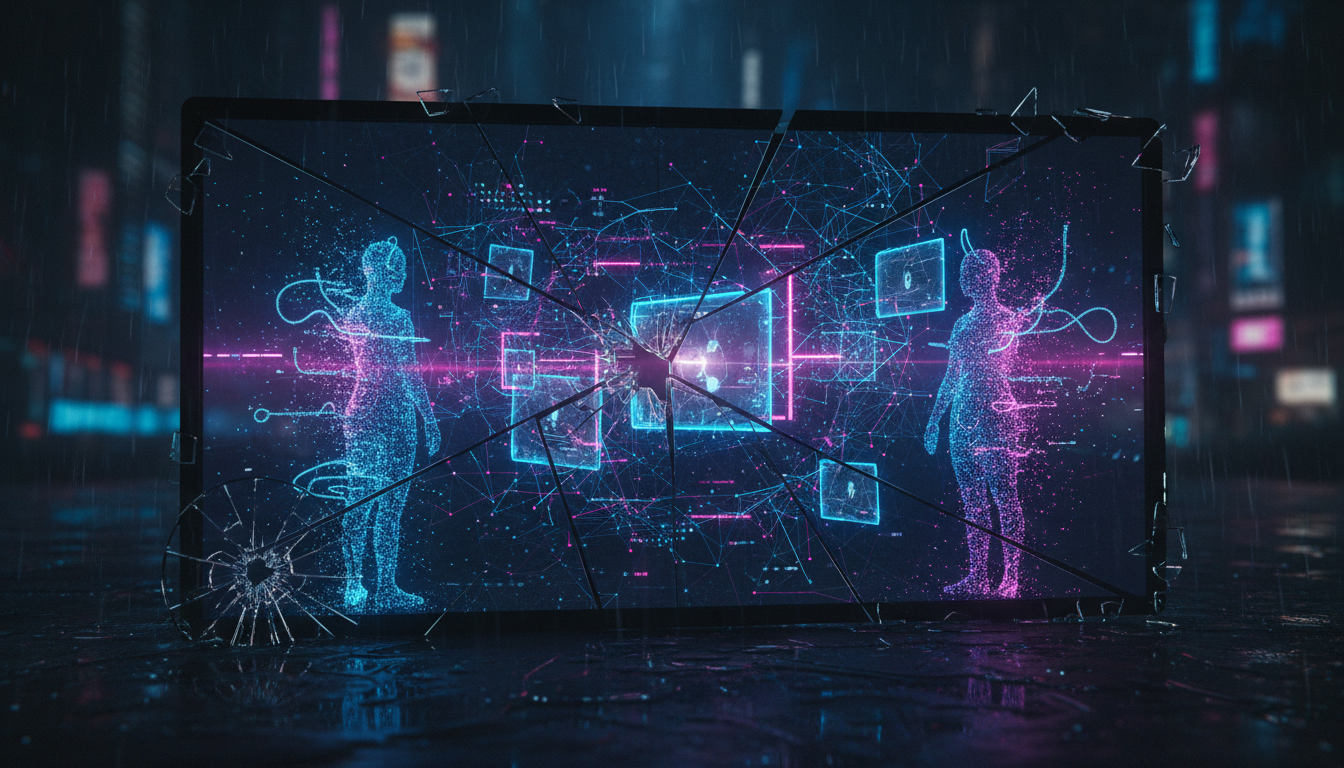
Fact-checkers have flagged viral videos claiming to show 'paid protesters' as AI-generated fakes. As tools like Sora 2, Kling 3.0, and Veo 3.1 reach photorealistic quality, the line between real footage and synthetic media is vanishing — and the consequences are already here.
The AI video generation industry just collided with real-world consequences. This week, fact-checkers identified a wave of viral videos purporting to show "paid protesters" — except the footage was entirely fabricated using text-to-video AI tools. It's a turning point that raises urgent questions about synthetic media, platform accountability, and the sheer power of today's generative video models.
Here's what happened, why it matters, and what the AI video community is saying.
Fake Protest Footage Fools Millions
The story broke when multiple fact-checking organizations flagged a series of videos circulating on social media. The clips appeared to show groups of people being paid before joining protest lines — a narrative designed to discredit political movements. The problem? The videos were entirely AI-generated.
What makes this incident different from previous deepfake scares is the production quality. These weren't glitchy, obviously synthetic clips. They featured realistic human motion, natural lighting, and convincing crowd dynamics — hallmarks of the latest generation of text-to-video models that have reached a photorealistic threshold in early 2026.
The tools suspected of being used include Sora 2, Runway Gen-4, and Kling 3.0 — all of which have made dramatic leaps in rendering believable human subjects over the past six months.
Why Today's AI Video Models Make This Possible
The timing isn't coincidental. The AI video generation space has entered what many are calling the "photorealism era." Multiple models now produce footage that passes casual inspection, and the bar keeps rising.
Sora 2, OpenAI's flagship video model, has been generating particular buzz for its human rendering capabilities. Creators are already using it for comedy sketches, short films, and viral content:
Meanwhile, new entrants are pushing the envelope even further. ByteDance's Dreamina Seedance 2.0 just launched on the Pippit platform, promising refined textures and professional-grade synchronization:
And Google's Veo 3.1 continues to excel in product rendering and consistent output quality — part of what some observers are calling Google's bid to build a complete "AI operating system" spanning reasoning, video, design, and autonomous agents.
The competitive pressure between these platforms is producing rapid improvements in motion quality, facial animation, lip sync, and environmental rendering. That's exciting for creators — and deeply concerning for anyone worried about synthetic media being weaponized.
The Scale of the Problem
The fake protester videos aren't an isolated incident. They represent a pattern that's been accelerating throughout 2026. As AI video tools become more accessible and affordable, the barrier to creating convincing synthetic footage has effectively collapsed.
Consider the economics: generating a 15-second photorealistic clip now costs pennies and takes minutes. No camera crew, no actors, no location scouting. The same tools that enable a solo creator to produce a hilarious cat courtroom video also enable bad actors to fabricate evidence of events that never happened.
Generated with VO3 AI — Cat judge presides over golden retriever's shoe theft trial
The clip above is obviously playful — but the underlying technology is identical to what produced the fake protest footage. The difference is purely intent.
Industry Reactions: Between Excitement and Alarm
The AI video creator community is having a split-screen moment. On one side, creators are celebrating the creative possibilities. Short-form AI video content is months away from mainstream viability, with virtual performers eliminating scheduling constraints and production costs:
On the other side, researchers and policy advocates are sounding alarms. The core concern isn't the technology itself — it's the gap between generation capability and detection capability. Current AI video detection tools lag behind generation quality, and platform moderation systems weren't designed for this volume of synthetic content.
What Platforms and Policymakers Are Doing
The response so far has been fragmented. Major social platforms have content policies against synthetic media designed to deceive, but enforcement remains inconsistent. The fake protester videos circulated for days before being flagged, accumulating millions of views.
Several approaches are emerging:
- Watermarking and provenance: Tools like Veo and Sora embed metadata in generated videos, but this is easily stripped during re-upload
- Detection AI: Companies are training classifiers to identify AI-generated footage, though accuracy drops as generation quality improves
- Regulatory proposals: The EU's AI Act includes provisions for synthetic media disclosure, while US legislation remains stalled
- Platform labeling: Some platforms now require AI-generated content labels, but compliance is voluntary for user uploads
None of these solutions are comprehensive. The uncomfortable truth is that the technology is outpacing the guardrails.
What This Means for AI Video Creators
If you're a legitimate creator using AI video tools, this incident matters to you for several reasons:
Trust is at stake. Every time AI-generated fake footage goes viral, it erodes public trust in all synthetic media — including the creative, educational, and commercial content that responsible creators produce.
Disclosure is becoming non-negotiable. Whether or not regulations require it, transparently labeling AI-generated content is becoming a professional standard. Creators who get ahead of this will build more durable audiences.
Quality cuts both ways. The same photorealistic rendering that makes your creative projects stunning also makes misinformation more convincing. Supporting responsible use norms isn't just ethics — it's self-preservation for the industry.
The Creative Side: AI Video Is Still Extraordinary
It's worth stepping back from the alarm to acknowledge what these tools actually enable for creators acting in good faith. The ability to generate cinematic-quality video from a text prompt has unlocked creative possibilities that were unimaginable two years ago.
From phone-screen comedy sketches to elaborate fantasy sequences, the creative output flowing from tools powered by Veo3, Sora 2, and their competitors is genuinely remarkable:
Generated with VO3 AI — Phone AI runs 400B parameters to philosophically question the weather — inspired by iPhone 17 LLM trend
Clips like this showcase the lighter, more inventive side of AI video — the kind of content that builds communities and sparks joy rather than spreading disinformation.
Key Takeaways
- AI-generated fake protest videos have gone viral, demonstrating that text-to-video deepfakes are now a real-world misinformation threat
- Sora 2, Kling 3.0, Veo 3.1, and Seedance 2.0 have collectively pushed AI video into photorealistic territory in early 2026
- Detection and regulation are lagging behind generation capabilities — there's no silver bullet solution yet
- Responsible creators should adopt transparent labeling now, before it becomes mandatory
- The creative potential remains extraordinary — the challenge is ensuring the technology serves creation, not deception
Try It Yourself
Want to experience the current state of AI video generation firsthand? VO3 AI lets you create stunning videos using Google's Veo3 model — from cinematic scenes to viral short-form content. The best way to understand both the power and the responsibility of these tools is to use them yourself.
Head to vo3ai.com to start generating your own AI videos and see why this technology is making headlines — for all the right reasons.
Ready to Create Your First AI Video?
Join thousands of creators worldwide using VO3 AI Video Generator to transform their ideas into stunning videos.
📚 Related Posts:
What is VO3 AI Video Generator: The Ultimate AI-Powered Video Creation Platform
Discover VO3 AI Video Generator - the revolutionary AI video creation platform
Read More →VO3 AI vs. Veo3 — What's the Difference?
Understand the key differences between VO3 AI and Google's Veo3
Read More →How to Use VO3 AI Video Generator: Complete Guide
Master VO3 AI Video Generator with our comprehensive tutorial
Read More →VO3 AI Video Generator - Where imagination meets innovation
Built on top of multiple AI video models including Veo3. Start your creative journey today and join the future of video creation.